Skylights: Our Complete Guide for Brighter Homes
Energy Efficiency and Rooflights: How Natural Light Can Lower Your Utility Bills
Adding rooflights into living spaces provides a valuable solution for enhancing energy efficiency. By maximizing natural light, homeowners can substantially reduce their dependence on artificial lighting and lower electricity costs. The strategic placement of these elements not only illuminates interiors but also assists in temperature regulation. However, understanding the correct types of rooflights and their installation is essential for achieving maximum performance. What factors should homeowners assess when incorporating rooflights into their design?
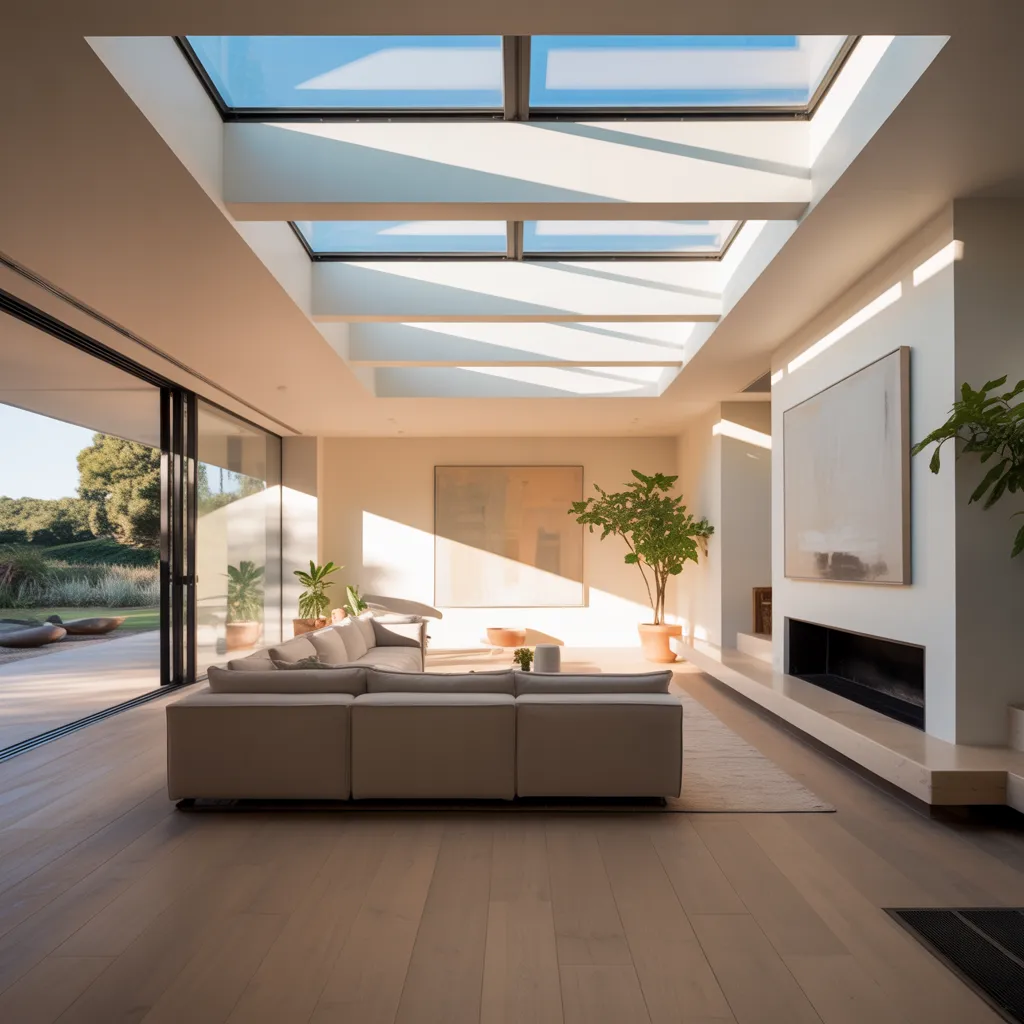
The Benefits of Natural Light in Your Home
Even though artificial lighting has its place, the advantages of natural light in a home are considerable. Natural light improves the aesthetic appeal of living spaces, creating an inviting atmosphere that artificial lights struggle to replicate. It has been proven to positively affect mood and productivity, as exposure to sunlight can boost serotonin levels. Furthermore, natural light contributes to enhanced health by regulating circadian rhythms, which are vital for quality sleep.
Additionally, homes flooded with natural light often feel more open and linked to the outdoors, delivering a sense of calm. The energy efficiency benefits can be considerable, as well; sunlit spaces minimize the need for artificial lighting during the day, likely decreasing electricity bills. Additionally, natural light can showcase architectural features and furnishings, making a home feel more vibrant and alive. In the end, embracing natural light can result in a more pleasant living environment.

The Way Rooflights Enhance Energy Efficiency
Rooflights serve as an practical method to gather natural light, additionally boosting a home's energy efficiency. By permitting daylight to penetrate living spaces, rooflights minimize reliance on artificial lighting, which can greatly lower electricity consumption. This stream of natural light not only lightens interiors but also contributes to a more comfortable living environment.
Additionally, strategically placed rooflights can assist in regulate indoor temperatures, lessening the necessity for heating and cooling systems. During hotter months, they can be engineered to offer ventilation, allowing hot air to escape, thus minimizing the reliance on air conditioning.
In the winter months, rooflights can harness sunlight, working to warm spaces organically. The use of high-quality, insulated rooflights also reduces heat loss, making sure that homes continue to be energy-efficient across all seasons. Together, these positive aspects demonstrate how rooflights can be a precious addition to sustainable home design, creating reduced utility bills and a diminished carbon footprint.
Picking the Best Rooflights for Your Space
In selecting rooflights for a space, it is crucial to examine the distinct needs and characteristics of the area. Elements such as room size, ceiling height, and the intended role of the space play a critical role in this decision. For example, larger areas may be suited to multiple small rooflights, while a smaller, more intimate space might demand a single, larger unit to maximize natural light.
In addition, the orientation of the building should be considered, as it influences the amount of sunlight captured throughout the day. North-facing rooflights supply consistent, diffused light, while south-facing options can cause increased heat gain. Material choice is likewise vital; double or triple glazing can enhance insulation and lower heat loss. Eventually, selecting the right rooflights necessitates a balance between aesthetics, functionality, and energy efficiency, making certain that the chosen solution complements the overall design and energy goals of the building.
Setup Factors for Superior Performance
Choosing the suitable rooflights establishes the foundation for proper installation, which is critical for reaching maximum performance. Proper placement is crucial; rooflights should be situated to capture ideal daylight while reducing glare and heat gain. Close attention must be paid to the structural integrity of the roof, ensuring that the installation does not compromise security or durability.
In addition, it is vital to use high-quality flashing and insulation materials to stop leaks and thermal bridging. The sealing process should be meticulous, as gaps can lead to energy loss and reduced performance.
Considering the local climate is equally important; locations with high wind or snow loads may demand specific reinforcement measures. Finally, complying with the manufacturer's guidelines ensures that the rooflights function as intended, boosting energy efficiency while providing the desired natural light. Correct installation directly impacts both the functionality and longevity of the rooflights.
More Ways to Boost Energy Efficiency
To enhance energy efficiency, it is vital to consider additional strategies beyond proper installation. Homeowners can boost the effectiveness of rooflights by incorporating energy-efficient glazing, such as low-emissivity (low-E) glass, which reduces heat loss while allowing sufficient natural light. Moreover, using solar control films can minimize glare and overheating, further enhancing indoor comfort.
Installing automated shading systems can also improve energy efficiency by adapting to changing sunlight conditions throughout the day. Regular maintenance, including cleaning the rooflights and inspecting seals, confirms they function at their best.
Additionally, strategically positioning rooflights in essential areas can maximize daylighting, lowering reliance on artificial lighting. Integrating rooflights with other energy-efficient features, such as LED lighting and smart thermostats, creates a thorough approach to energy savings. By implementing these strategies, homeowners can greatly reduce utility bills while benefiting from the aesthetic and health rewards of natural light.
FAQ
How Do Rooflights Affect Indoor Temperature Regulation?
Rooflights enhance indoor temperature control by allowing natural light to flow in, which can minimize dependency on artificial heating and cooling. This inflow of sunlight can help sustaining a more consistent and comfortable indoor complete guide climate during the year.
Can Rooflights Help Decrease Reliance on Artificial Lighting?
Roof windows can greatly reduce reliance on artificial lighting by enabling natural light to illuminate indoor spaces. This not only improves the aesthetic appeal but also results in energy savings, likely cutting overall utility costs for occupants.
What Type of Maintenance Do Rooflights Require for Peak Performance?
Routine maintenance of rooflights includes cleaning the glass to stop dirt buildup, examining seals for leaks, and checking frames for damage. Ensuring proper drainage and resolving any obstructions also supports peak performance and longevity.
Are There Tax Benefits for Installing Energy-Efficient Rooflights?
Certainly, multiple tax advantages might be obtainable for installing energy-efficient rooflights, depending on local regulations. Property owners ought to investigate government programs at all levels that advocate for energy efficiency to optimize potential savings from such installations.
Which Rooflights Work Best in Various Climates?
For warm weather locations, stationary rooflights featuring UV protection work best, while operable rooflights provide air circulation. In colder regions, triple-glazed rooflights provide thermal protection. Every variety addresses particular climate requirements, improving comfort levels and energy performance.